

Introduction
In today’s digital world, application mobile dualmedia is changing how people interact with mobile technology. Modern users want apps that combine communication, entertainment, personalization, and smart features in one place. A powerful dualmedia mobile app delivers exactly that by blending media streaming with real-time interaction.
Businesses are also investing heavily in this technology because it improves engagement and customer retention. Unlike traditional apps, a modern interactive mobile application creates a richer and more immersive experience for users across different devices. From education and healthcare to entertainment and e-commerce, this innovative system is shaping the future of mobile technology. The rise of AI-powered mobile apps and multimedia mobile platform solutions proves that smarter digital experiences are now the new standard.
What Is Application Mobile DualMedia?
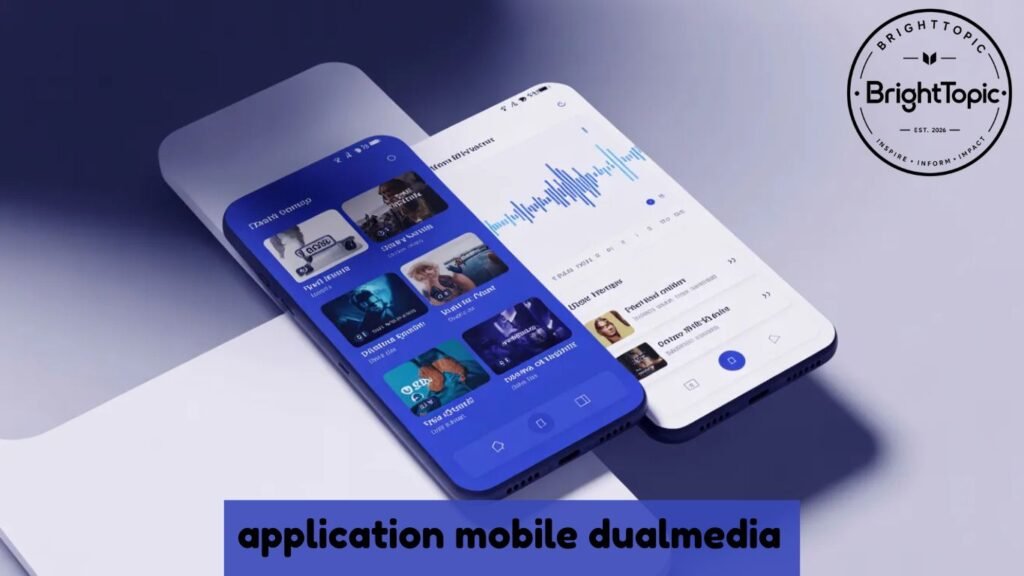
The term application mobile dualmedia describes a new generation of applications designed to combine media content with interactive communication inside one ecosystem. Traditional apps usually focus on one function only. For example, messaging apps focus on conversations while streaming apps focus on entertainment. A modern digital media app breaks this limitation by integrating multiple functions together in a seamless environment. Application Mobile DualMedia Users can watch videos, communicate with communities, react to content, share opinions, receive personalized recommendations, and engage with brands in real time without switching applications constantly.
This concept has become extremely important because user behavior has changed significantly over the past decade. People now consume huge amounts of digital content daily. Application Mobile DualMedia They stream podcasts while chatting with friends. They watch live shopping events while interacting with influencers. They attend online classes while communicating with teachers and classmates. A strong mobile content distribution system supports all these interactions simultaneously. This is why companies increasingly invest in dualmedia app technology to create immersive and interactive user experiences capable of improving retention and engagement.
The evolution of smartphones also contributed heavily to the growth of these systems. Modern devices now support advanced graphics, AI processing, cloud synchronization, and high-speed streaming capabilities. Application Mobile DualMedia This allows developers to create highly responsive applications that combine communication and media without performance issues. In many ways, application mobile dualmedia represents the future of mobile interaction because it aligns perfectly with how people naturally use technology today.
| Feature | Traditional Apps | DualMedia Apps |
| User Interaction | Limited | Advanced |
| Content Experience | Static | Dynamic |
| AI Features | Basic | Intelligent |
| Personalization | Low | High |
| Engagement Level | Medium | Very High |
Why Application Mobile DualMedia Is Growing Rapidly in 2026
One major reason behind the explosive growth of application mobile dualmedia is changing consumer expectations. Users no longer enjoy static digital experiences. Application Mobile DualMedia They expect applications to adapt according to personal interests, habits, and preferences automatically. This demand pushed businesses toward creating a more immersive cross-platform mobile app ecosystem capable of combining entertainment, communication, and personalization together. Modern consumers want everything instantly. If an app feels slow or outdated, they quickly move to competitors offering smoother experiences.
The rise of 5G technology has also accelerated the popularity of AI-powered mobile apps significantly. Faster internet speeds allow users to stream ultra-high-definition media while interacting with live features simultaneously. Cloud computing systems further improve performance because developers can distribute content globally without overwhelming local servers. Application Mobile DualMedia A powerful interactive media platform can now process user behavior in real time and recommend content instantly. This capability increases engagement because people naturally spend more time on platforms that understand their interests.
Businesses also realized that customer attention has become one of the most valuable digital assets. Modern brands compete aggressively for engagement because longer sessions usually increase advertising revenue, subscriptions, and customer loyalty. A smart application mobile dualmedia system helps companies create richer experiences that keep audiences active for extended periods. This explains why streaming companies, e-learning platforms, retailers, and social media brands continue investing heavily in interactive mobile ecosystems.
“Modern users no longer want passive apps. They want experiences that respond, adapt, and interact instantly.”
How Application Mobile DualMedia Works Behind the Scenes
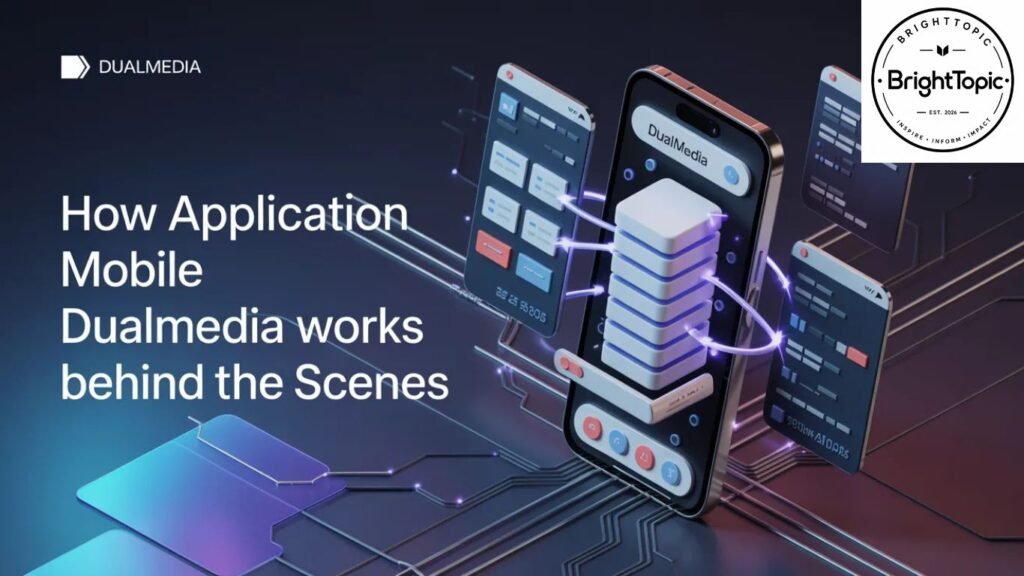
The technology powering application mobile dualmedia is far more sophisticated than many users realize. Every feature inside the application depends on multiple systems working together simultaneously. The frontend handles visual design, menus, navigation, notifications, and user interaction. Meanwhile, backend systems manage databases, servers, APIs, analytics, media processing, and security operations. A reliable smart mobile solutions architecture ensures all these components communicate efficiently without delays or performance issues.
Cloud infrastructure plays a critical role in modern media streaming application development. Instead of storing all content locally on devices, apps rely on cloud servers to process and distribute media dynamically. This system allows users to access content instantly from almost anywhere in the world. Developers also use content delivery networks to reduce buffering and improve streaming performance. These systems are especially important for applications supporting live interaction and large audiences.
Artificial intelligence further improves efficiency by supporting interactive digital media experiences through recommendation engines and behavioral analysis. AI systems study user activity patterns to predict interests and personalize content automatically. For example, if a user frequently watches educational videos about finance, the application may recommend related podcasts, articles, or live webinars instantly. This level of automation has become one of the defining features of successful application mobile dualmedia platforms in 2026.
| Technology | Purpose |
| Cloud Servers | Data Storage |
| APIs | App Communication |
| AI Engines | Personalization |
| CDNs | Faster Streaming |
| Analytics Systems | User Tracking |
Core Features of a Modern DualMedia Application
Every successful user engagement app shares a collection of advanced features designed to improve interaction and retention. Personalization is perhaps the most important feature because users expect tailored experiences instead of generic interfaces. A modern mobile communication platform studies behavior patterns and adjusts content feeds according to individual interests. This creates a smarter environment where recommendations feel useful rather than random.
Another powerful feature involves live interaction systems. A strong multimedia integration app supports comments, reactions, messaging tools, live streaming, and collaborative experiences simultaneously. These features encourage communities to grow naturally around content creators and businesses. Real-time interaction also increases emotional connection because users feel actively involved rather than passively consuming media.
Performance optimization also plays a critical role in improving the overall mobile user experience. Offline access, adaptive streaming quality, push notifications, and cloud synchronization make the app feel smooth and responsive across multiple devices. Businesses heavily invest in mobile app personalization because customized experiences dramatically improve retention and customer satisfaction rates.
| Core Feature | Benefit |
| Personalized Feed | Better Retention |
| Live Streaming | Real-Time Engagement |
| Offline Access | Convenience |
| Push Notifications | Faster Interaction |
| Analytics Dashboard | Better Insights |
AI Integration in Application Mobile DualMedia
Artificial intelligence has become the foundation of most successful next-generation mobile apps. AI systems help applications understand user behavior, predict interests, automate recommendations, and improve engagement strategies. This technology transforms a regular platform into a highly intelligent dynamic media application capable of adapting continuously according to user preferences.
One of the most valuable benefits of AI integration in mobile apps is personalization. Recommendation engines analyze viewing habits, interaction history, search behavior, and activity patterns to deliver highly relevant content automatically. This process improves retention because users spend more time on applications that consistently provide enjoyable experiences. AI also powers voice assistants, smart chatbots, automated moderation systems, and predictive analytics inside many modern platforms.
Businesses benefit enormously from these systems because AI improves efficiency while reducing operational costs. Smart algorithms can optimize advertisements, automate customer support, and analyze engagement trends in real time. In many ways, artificial intelligence has become the driving force behind the growth of modern mobile solutions across the American technology market.
Benefits of Application Mobile DualMedia for Everyday Users
Modern users value convenience more than ever before. A powerful mobile interaction platform combines entertainment, communication, and personalization into one ecosystem that feels smooth and efficient. Instead of switching between multiple apps for messaging, streaming, shopping, and learning, users can perform several activities within one unified environment.
Another major advantage involves flexibility and accessibility. A modern Android and iOS app works across multiple devices while maintaining consistent performance and personalization settings. Students can attend interactive classes. Remote workers can collaborate with teams. Families can enjoy streaming entertainment together. The rise of media-rich applications demonstrates how strongly users prefer immersive and interactive experiences over static platforms.
Personalized recommendations also improve convenience because users discover content faster. AI systems reduce the need for endless searching by automatically presenting relevant suggestions based on interests and habits. This combination of personalization, interaction, and accessibility explains why application mobile dualmedia continues growing rapidly among modern consumers.
Why Businesses Are Investing in DualMedia Apps
Businesses today face enormous competition for customer attention. A modern digital engagement platform helps brands create stronger emotional connections with users by combining communication, media, and personalization inside one environment. Companies understand that customers are more likely to remain loyal when they feel entertained and understood simultaneously.
Marketing strategies have also evolved significantly. Businesses now use advanced mobile technology to create immersive campaigns that involve live interaction, personalized recommendations, and influencer-driven content experiences. A strong mobile marketing application allows companies to gather behavioral insights while improving engagement metrics and conversion rates.
Another important reason businesses invest in business engagement through apps is data analytics. Modern platforms track user behavior in real time, helping companies understand customer preferences more accurately. These insights improve product development, marketing campaigns, and customer retention strategies across industries.
| Business Benefit | Impact |
| Better Retention | Higher Revenue |
| Personalized Marketing | More Conversions |
| User Analytics | Smarter Decisions |
| Interactive Content | Longer Sessions |
Industries Using Application Mobile DualMedia Technology
The entertainment industry was among the first sectors to adopt customer engagement app technology because streaming and interactive media naturally complement each other. However, many industries now depend heavily on cloud-based mobile apps to improve communication and engagement.
Education companies use interactive learning platforms that combine video lessons, quizzes, live communication, and AI tutoring systems. Healthcare providers use innovative mobile applications for virtual consultations, patient monitoring, and personalized wellness programs. Retail companies use live shopping experiences and personalized recommendations to increase online sales.
Fitness brands, financial services, tourism agencies, and even real estate companies now rely on media and communication integration systems to improve digital experiences. The widespread adoption across industries proves that application mobile dualmedia is no longer limited to entertainment alone.
| Industry | Usage Example |
| Education | Interactive Learning |
| Healthcare | Telemedicine |
| Retail | Live Shopping |
| Entertainment | Streaming Platforms |
| Fitness | Virtual Coaching |
Technology Stack Required for DualMedia App Development
Building a successful application mobile dualmedia platform requires advanced technologies capable of supporting scalability, performance, and security. Developers often use React Native or Flutter because these frameworks simplify mobile app business solutions development for both Android and iOS devices.
Backend systems usually rely on Node.js, Python, or Java frameworks to manage APIs, cloud synchronization, and user databases. Developers also use Firebase, AWS, and Google Cloud for storage and scalability. These systems are especially important because real-time media interaction requires low latency and reliable server performance.
Security technologies are equally important because users share sensitive information inside many modern apps. Encryption, authentication systems, and compliance protocols help protect data while improving trust. Strong infrastructure remains essential for creating successful scalable mobile applications in the highly competitive American mobile market.
UI/UX Best Practices for Application Mobile DualMedia
Design strongly influences whether users remain active inside an app or abandon it quickly. A clean and intuitive interface improves engagement because users can navigate the platform naturally without confusion. Successful developers focus heavily on simplicity while still delivering advanced functionality.
Fast loading times also matter because users dislike delays and buffering. Many cloud streaming apps use adaptive streaming systems to improve performance on slower internet connections. Personalized dashboards, dark mode options, smooth animations, and accessibility features further improve the user experience.
Modern UI design also focuses on emotional interaction. Small animations, visual feedback systems, and interactive onboarding experiences help users feel connected to the platform immediately. This approach significantly improves retention and overall satisfaction rates.
Cost of Developing an Application Mobile DualMedia
The cost of building application mobile dualmedia depends on complexity, design quality, AI integration, and cloud infrastructure requirements. A basic application with limited features may cost between $20,000 and $50,000. However, advanced enterprise platforms often exceed $300,000 because they require sophisticated personalization engines and scalable architectures.
Ongoing maintenance also increases expenses because apps require constant updates, security improvements, and server optimization. Investing in personalized mobile content and AI systems raises development costs initially but usually improves long-term profitability and engagement.
| Development Type | Estimated Cost |
| Basic App | $20K–$50K |
| Medium App | $50K–$150K |
| Enterprise Platform | $150K–$300K+ |
Common Challenges in DualMedia Apps and Their Solutions
Scalability remains one of the biggest challenges facing modern modern app development technology platforms. As user traffic increases, servers experience heavier workloads. Developers solve this issue through cloud scaling systems and content delivery networks capable of distributing traffic efficiently.
Privacy and security also remain critical concerns. Businesses must protect user information carefully because cyberattacks continue increasing globally. Strong encryption systems and compliance standards help improve mobile application security while building customer trust.
Competition inside app stores creates another challenge because thousands of new apps launch every month. Businesses must continuously improve performance, personalization, and engagement strategies to remain competitive in crowded digital marketplaces.
Application Mobile DualMedia vs Traditional Mobile Apps
Traditional applications usually perform one task only. Messaging apps handle communication while streaming apps focus on entertainment. In contrast, application mobile dualmedia combines multiple experiences together inside one ecosystem.
Modern users prefer integrated systems because they save time and create smoother experiences. A dual-function mobile application supports interaction, personalization, analytics, and media streaming simultaneously. This increases retention because users spend more time inside one environment rather than switching constantly between multiple platforms.
The future clearly favors integrated systems. Industry trends show that future of mobile applications will focus heavily on personalization, automation, and immersive interaction rather than isolated functionality.
| Comparison Area | Traditional Apps | DualMedia Apps |
| Personalization | Low | Advanced |
| AI Usage | Minimal | Extensive |
| Engagement | Basic | Interactive |
| Scalability | Limited | High |
App Store Optimization (ASO) for DualMedia Applications
Creating a great application means very little if users cannot discover it easily. Strong app store optimization for apps improves visibility, increases downloads, and strengthens brand credibility. Developers optimize keywords, descriptions, screenshots, and preview videos to improve rankings inside app marketplaces.
User reviews and ratings also influence visibility heavily. Positive feedback improves trust while encouraging additional downloads. Businesses often combine mobile user engagement strategies with influencer marketing and social media campaigns to increase traffic and app awareness.
Frequent updates further improve rankings because app stores reward active and well-maintained platforms. This explains why successful companies continuously improve features, fix bugs, and release new experiences regularly.
Future Trends of Application Mobile DualMedia in 2026 and Beyond
The future of application mobile dualmedia looks incredibly exciting because emerging technologies continue reshaping mobile experiences rapidly. Many experts believe AR and AI mobile apps will dominate the next generation of digital interaction. Virtual shopping environments, immersive gaming systems, and AI-driven learning experiences may soon become common.
Voice interaction and automation will also grow significantly. Smart assistants already influence how users search, communicate, and consume content. Businesses investing in smart content delivery and predictive personalization technologies may lead future digital markets.
As mobile technology evolves, user expectations will continue rising. Companies capable of combining personalization, communication, media, and artificial intelligence effectively may become the strongest brands of the next decade.
“The future belongs to platforms that blend intelligence, interaction, and immersive experiences seamlessly.”
Conclusion
The rise of application mobile dualmedia represents one of the biggest shifts in modern mobile technology. Users now expect applications to provide communication, entertainment, personalization, and interaction together in one seamless ecosystem. Businesses also need smarter tools capable of improving engagement, loyalty, and customer satisfaction.
From artificial intelligence and cloud infrastructure to immersive streaming and personalized experiences, DualMedia technology is shaping the future of digital interaction across the United States. Companies that invest in these innovations early may gain a major advantage in the rapidly evolving mobile economy.
FAQs
What are mobile applications and examples?
Mobile applications are software programs designed for smartphones and tablets. Popular examples include Instagram, WhatsApp, Netflix, Spotify, and Google Maps.
How to dual apps in mobile?
You can use the “Dual Apps” or “App Clone” feature available on many Android phones to run two accounts of the same app on one device.
How to create mobile apps that make $3,000 a day?
Focus on solving a real problem, add strong user engagement features, use subscriptions or ads, and market the app effectively to grow downloads and revenue.
What is the 3 mobile app?
The 3 mobile app is an official application from the mobile network provider “Three” that helps users manage accounts, bills, and mobile services.
What are the 5 most used apps?
Some of the world’s most used apps include YouTube, WhatsApp, TikTok, Instagram, and Facebook due to their massive global audiences.
How do I open the mobile app?
Tap the app icon on your smartphone’s home screen or app drawer to launch and start using the application instantly.