

Introduction
If you’re considering becoming a nurse practitioner, one of the first questions you may ask is “how much do nurse practitioners make?” The answer depends on several factors, including education, location, specialty, years of experience, and employer. Nurse practitioner salary Even so, nurse practitioners continue to rank among the highest-paid professionals in the nursing field.
Understanding nurse practitioner salary in 2026 is about more than just a paycheck. It also involves career growth, demand, benefits, and long-term opportunities. This guide explains current salary expectations, the factors that influence earnings, and what aspiring nurse practitioners can expect as they advance in their careers.
What Is a Nurse Practitioner?
A nurse practitioner (NP) is an advanced practice registered nurse who provides diagnosis, treatment, preventive care, and patient education. Many NPs work independently or alongside physicians, depending on state laws and regulations. Their expanded scope of practice makes them an essential part of modern healthcare systems.
The NP career path usually begins as a registered nurse before completing graduate-level education and obtaining nurse practitioner certification and state licensure.
Average Nurse Practitioner Salary in 2026
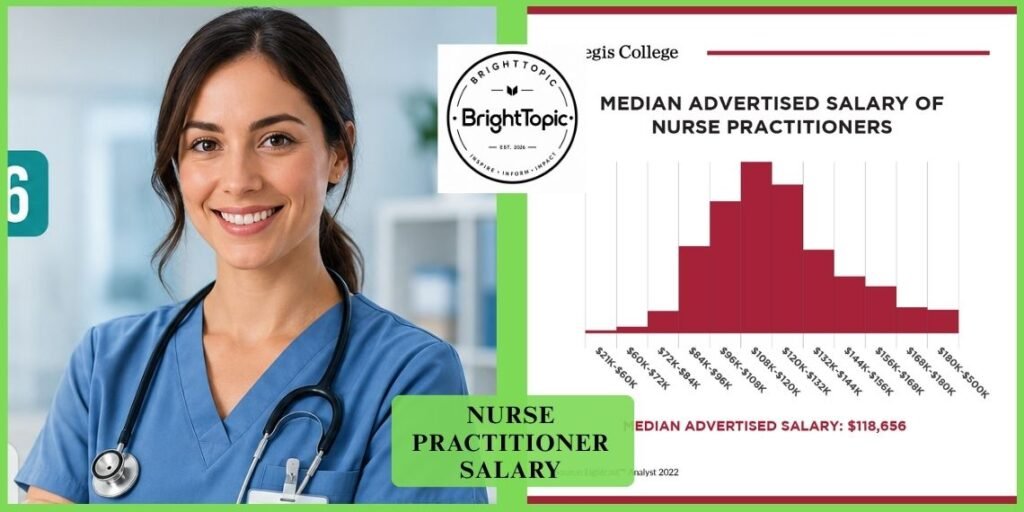
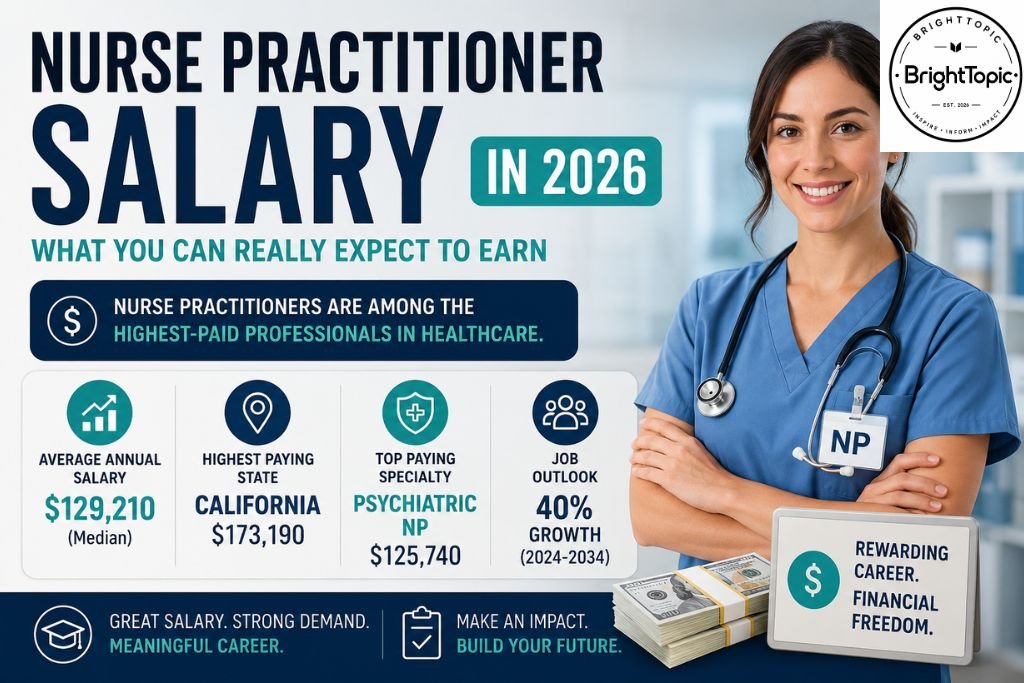
The average nurse practitioner salary in the United States remains strong in 2026. National estimates place median annual earnings at roughly $130,000, although actual compensation varies by employer and region.
When discussing nurse practitioner pay, it is important to remember that urban hospitals, specialty clinics, and states with healthcare shortages often offer higher compensation. Overall annual nurse practitioner earnings continue to rise as demand for advanced practice providers grows.
Many prospective students also ask “what is the average salary for a nurse practitioner?” The answer depends on multiple variables, but experienced professionals commonly earn well above six figures.
Hourly and Monthly Earnings
Beyond yearly income, many employers advertise hourly pay for nurse practitioners. Depending on specialty and location, hourly wages can range from approximately $55 to more than $80 per hour.
Monthly nurse practitioner income may exceed $10,000 before taxes for full-time positions. Overtime, shift differentials, bonuses, and productivity incentives can further increase total compensation.
Entry-Level vs. Experienced Salaries
The entry level nurse practitioner salary is typically lower than that of seasoned professionals. New graduates often spend their first few years building clinical confidence while increasing earning potential.
By comparison, the experienced nurse practitioner salary can be significantly higher, especially in specialized fields. Employers often reward years of practice, leadership responsibilities, and advanced certifications with greater compensation packages.
As a result, nurse practitioner salary with experience usually shows a steady upward trend over time.
Salary by Education Level
Education plays an important role in compensation. An MSN nurse practitioner salary may differ slightly from a DNP nurse practitioner salary, particularly in leadership, academic, or executive roles.
Many employers value doctoral preparation, making nurse practitioner salary after MSN and nurse practitioner salary after DNP useful comparisons for nurses planning graduate education. Although a doctorate does not automatically guarantee higher wages, it may improve long-term advancement opportunities.
Salary by Specialty
Different specialties command different compensation levels. The family nurse practitioner salary remains one of the most widely discussed because family practice represents the largest NP workforce.
Similarly, the psychiatric nurse practitioner salary has increased substantially due to growing mental health needs. Professionals researching psychiatric mental health NP salary often find this specialty among the most financially rewarding.
The pediatric nurse practitioner salary remains competitive while focusing on children and adolescents, whereas the adult gerontology nurse practitioner salary rewards providers who care for aging adult populations.
Acute care roles also offer attractive earnings, making acute care nurse practitioner pay an important consideration for nurses seeking hospital-based careers.
Highest-Paying Specialties
Some of the highest paid nurse practitioner specialties include psychiatric mental health, emergency medicine, cardiology, oncology, and neonatal care. These are frequently considered the top paying NP specialties because they require advanced expertise and often involve high-demand patient populations.
Healthcare organizations facing workforce shortages may offer signing bonuses and enhanced compensation to recruit specialists in these fields.
Nurse Practitioner Salary by State
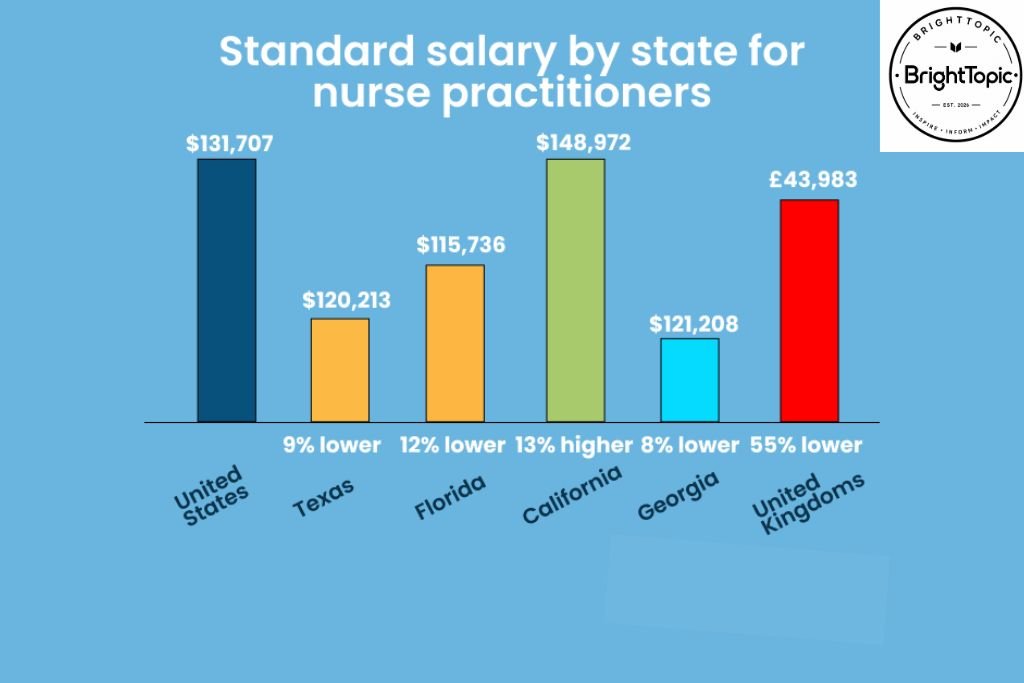
One of the biggest influences on income is geography. Nurse practitioner salary by state varies considerably due to cost of living, healthcare demand, and local regulations.
Many reports identify California, New York, Oregon, Massachusetts, and Washington among the highest paying states for nurse practitioners. However, evaluating cost of living and NP salary together provides a more realistic picture of purchasing power.
A position with a slightly lower salary in an affordable area may provide greater financial stability than a higher-paying role in an expensive metropolitan region.
Workplace and Employer Differences
Compensation also depends on nurse practitioner work settings. Hospitals often offer competitive salaries and extensive benefits, while outpatient clinics may provide predictable schedules and work-life balance.
Some professionals choose private clinics because private practice nurse practitioner income can be attractive in successful organizations. Others seek outpatient nurse practitioner salary opportunities that emphasize preventive care and regular office hours.
Growing numbers of hospitals hiring nurse practitioners reflect the expanding need for advanced practice providers across the country.
Primary Care and Family Medicine
The primary care nurse practitioner salary continues to remain competitive because primary care providers serve a critical role in preventive medicine and chronic disease management.
Likewise, family nurse practitioner earnings depend on employer type, patient population, and geographic location. Family NPs frequently work in clinics, physician offices, and community health centers.
Comparing NP Salaries to Other Careers
When comparing NP salary with similar healthcare professions, many applicants consider NP salary vs physician assistant salary and NP salary vs registered nurse salary.
In general, nurse practitioners earn significantly more than registered nurses because they hold graduate degrees and assume greater clinical responsibilities. Physician assistants may earn similar salaries, with differences depending on specialty, employer, and region.
These comparisons make up an important part of any advanced nursing salary guide for prospective students.
Benefits Beyond Salary
Strong nurse practitioner compensation extends beyond base pay. Many employers provide comprehensive insurance, retirement contributions, paid leave, continuing education reimbursement, and tuition assistance.
Additional nurse practitioner benefits may include relocation packages, flexible scheduling, loan repayment assistance, malpractice coverage, and performance bonuses.
These extras substantially increase total nurse practitioner career earnings over time.
Education and Licensing Requirements
The path from registered nurse to nurse practitioner requires dedication and advanced study. Candidates typically earn a graduate nursing degree, complete supervised clinical hours, and obtain national NP certification before state licensure.
High-quality nurse practitioner education prepares graduates for complex patient care and evidence-based decision making. Every practicing NP must also satisfy state-specific nurse practitioner licensing requirements before entering independent practice.
Full Practice Authority
An important legal consideration is full practice authority for nurse practitioners. Some states allow NPs to diagnose, prescribe medications, and manage patients independently, while others require physician collaboration.
Expanded authority may increase professional flexibility and create additional employment opportunities in underserved communities.
Career Growth and Demand
The nurse practitioner job outlook remains exceptionally positive. Rising healthcare needs, physician shortages, and aging populations continue to increase nurse practitioner employment opportunities across hospitals, clinics, and telehealth organizations.
Industry analysts consistently report growing nurse practitioner demand, making this one of the fastest-growing professions in healthcare. Continued nurse practitioner job growth supports long-term career stability and competitive salaries.
Responsibilities in Daily Practice
The typical nurse practitioner responsibilities include diagnosing illnesses, prescribing medications, ordering tests, interpreting results, developing treatment plans, and educating patients about preventive care.
Because of these advanced duties, nurse practitioners often enjoy greater professional autonomy than registered nurses while maintaining close collaboration with multidisciplinary healthcare teams.
Choosing a Specialty
Modern nurse practitioner specializations include family practice, pediatrics, psychiatry, women’s health, acute care, oncology, cardiology, emergency medicine, and geriatrics.
Selecting a specialty often affects earning potential, work-life balance, and future advancement opportunities. Many nurses pursue additional credentials to become a board certified nurse practitioner in their chosen field.
Future Salary Trends
Current APRN salary trends suggest continued wage growth as healthcare systems adapt to increasing patient demand. Technology, telemedicine, and expanded responsibilities are expected to support higher earnings over the coming years.
Professionals researching nurse practitioner salary expectations should also monitor regional workforce shortages and evolving legislation affecting advanced practice nursing.
Is Becoming a Nurse Practitioner Worth It?
For many nurses, the answer is yes. The combination of meaningful patient care, strong compensation, career flexibility, and excellent employment prospects makes the profession highly attractive.
When evaluating healthcare career salaries, nurse practitioners consistently rank among the best-paid nursing professionals. Their combination of education, expertise, and patient impact supports impressive nursing profession income over the course of a career.
Whether comparing master of science in nursing salary outcomes or reviewing doctor of nursing practice salary potential, graduate education often opens doors to higher responsibility and long-term advancement.
Those planning their education should also understand the relationship between NCLEX-RN and NP career progression, since becoming a licensed registered nurse is the essential first step toward advanced practice.
Frequently Asked Questions
How much do nurse practitioners make each year?
Most nurse practitioners earn strong six-figure incomes, although compensation varies by specialty, location, employer, and years of experience.
Which specialty earns the highest salary?
Psychiatric, emergency, oncology, and certain acute care specialties are frequently among the highest-paying NP roles.
Does education affect salary?
Yes. Graduate education, certifications, and experience can positively influence long-term earnings and advancement opportunities.
Is demand expected to continue growing?
Current workforce projections indicate continued expansion in employment opportunities for nurse practitioners across multiple healthcare settings.
Conclusion
Nurse practitioners play an increasingly important role in healthcare delivery, and their compensation reflects that responsibility. From competitive starting salaries to exceptional long-term earning potential, the profession offers financial stability alongside meaningful patient care.
Whether you are beginning the journey from RN to NP or exploring advanced specialties, understanding salary trends, education requirements, and employment opportunities can help you make informed career decisions. As healthcare evolves, nurse practitioners are well positioned to enjoy rewarding work, excellent benefits, and continued demand across the United States.